If you’re running a trucking business—whether you’ve got a single daycab for local runs or a fleet of heavy-duty cargo trucks cross-country—you know the electrical system is the unsung hero of your operation. It powers everything from the starter that gets your rig moving at 5 a.m. to the refrigeration unit that keeps perishables fresh across state lines, the GPS that keeps you on route, and even the safety lights that keep you and other drivers safe after dark. As a cargo truck supplier, I’ve spent thousands of hours working with owner-operators and fleet managers who write off electrical issues as “minor headaches”… until a dead battery leaves them stranded on a highway in the middle of winter, or a faulty wiring harness fries their temperature control for a full load of produce. Over the years, I’ve learned that maintaining your cargo truck’s electrical system isn’t a one-time job—it’s a consistent, detail-oriented routine that saves you from costly breakdowns, delays, and unexpected repair bills. Cargo Truck

Let’s start with the most basic component that most people overlook until it fails: the battery. Your truck’s battery isn’t just a box of acid and lead plates—it’s the powerhouse that sends the initial jolt to start the engine, and it works in tandem with the alternator to keep all your electrical accessories running when the engine’s on. I see a lot of owners waiting until their battery won’t turn over to check it, and that’s a mistake. For cargo trucks, which often carry heavy loads and run for long stretches on the highway, battery demand is way higher than it is for a standard passenger car. A refrigerated trailer plugged into the truck’s electrical system, for example, can draw consistent power even when the engine is idling for hours at a delivery lot, putting extra strain on the battery. That’s why our team at the supplier recommends testing your battery every three months, not just before winter or summer when extreme temperatures hit. The test isn’t just checking the voltage—you need to check the cold cranking amps (CCA), because if your CCA drops below 80% of the manufacturer’s rating, it’s time to replace it, even if the voltage seems fine. Last year, we worked with a fleet out of Dallas that lost $40,000 worth of meat because three of their trucks’ batteries died mid-route, and waiting for a replacement battery delayed their delivery for 12 hours. They’d skipped quarterly battery tests because they “didn’t have time,” and that’s a mistake no one can afford to make.
Next, the alternator, which is responsible for recharging the battery after startup and powering all electrical components while the engine is running. If your alternator fails, you won’t just have a dead battery—you’ll lose power to your lights, your refrigeration unit, your trailer brakes, and your GPS, all while you’re driving. A common misconception is that alternator problems always come with a obvious warning light, but that’s not always the case, especially on older cargo trucks. That’s why we teach our customers to monitor their electrical draw when the engine is idling. Use a multimeter to check the output: at idle, it should be between 13.5 and 14.5 volts. If it’s lower than 13 volts, the alternator isn’t charging enough, and higher than 15 volts means it’s overcharging, which can damage sensitive electronics like refrigeration control modules or GPS units. We also recommend inspecting the alternator’s drive belt every oil change. A cracked, frayed, or loose drive belt can slip, reducing alternator output and leading to undercharging. Last month, an owner-operator came to our shop with a brand new refrigerated trailer that had stop working halfway from Los Angeles to Phoenix. We found his alternator belt had snapped, and without power, the trailer’s cooling system shut down. By the time we got the belt replaced, 20% of his load of fresh berries was unusable—costing him thousands, and all because he skipped a quick belt check.
Wiring and connections are where most hidden electrical issues hide, and they’re also the easiest to overlook because they’re tucked away behind dashboards, under the frame, or along the trailer’s side. Cargo trucks take a beating day in and day out: they drive over potholes, shake on rough backroads, get covered in road salt in winter, and their wiring harnesses get exposed to rain, dust, and grease. Over time, this causes corrosion, loose connections, and frayed wires, which can lead to intermittent power loss, dead lights, or even short circuits that start fires. We tell all our customers to do a full wiring inspection every six months, or after a long cross-country run. Start at the battery terminals: that’s the first place corrosion builds up. Use a wire brush to clean both the terminal and the cable ends, then apply a thin layer of petroleum jelly or a corrosion inhibitor to prevent future buildup. Never use a wire or socket wrench that’s too small for the terminals—over-tightening can crack the post, leading to even more corrosion down the line.
Next, check the wiring along the frame rail and in the engine bay. Look for frayed insulation, exposed copper wires, or wires that are rubbing against metal parts (like the frame or the alternator bracket). If you find a frayed wire, don’t just wrap it in electrical tape—use heat-shrink tubing, which is more durable and provides a better seal against moisture. For wires that are rubbing, use plastic loom or rubber grommets to separate them from metal surfaces. Don’t forget the trailer wiring harness, either—this is a common spot for issues, especially if you’re hauling different trailers every week. The 7-way connector that links the truck to the trailer is exposed to mud, water, and debris, so remove it every few weeks, clean the pins with electrical contact cleaner, and check for bent or broken pins. A bad connection here can mean your trailer brakes or turn lights don’t work, which is not just a safety hazard but can get you pulled over or fined. We once had a customer get a $1,200 fine on a trip to Chicago because his trailer’s brake lights weren’t working, and the officer traced it back to a corroded connector he’d never checked.
Then there are the components that power the truck’s accessories, which are extra critical for cargo trucks that rely on specialized equipment: refrigeration units, liftgates, in-cab inverters, and GPS. Each of these has its own wiring and electrical demands, and they all tie into the main system, so a problem with one can affect the whole. For refrigerated cargo, which is a huge segment of our business, the electrical system is non-negotiable. The refrigeration unit’s control module is sensitive to voltage fluctuations, so we recommend installing a surge protector between the truck’s battery and the refrigeration unit. That way, if there’s a temporary spike or drop in voltage from a bad alternator or a loose connection, the surge protector will keep the module from frying. We also suggest testing the refrigeration unit’s electrical connections at the start of every season, before you start hauling perishables. A faulty sensor in the refrigeration unit can cause it to run too hot or too cold, ruining a full load, and often that faulty sensor is a simple electrical issue, not a replacement part.
Liftgates are another big one. A liftgate that fails mid-unloading can delay deliveries and cost you labor, so maintaining its electrical system is key. The liftgate has its own battery and wiring, often in the rear of the truck, so inspect that wiring for corrosion and loose connections every time you use the liftgate. Also, check the liftgate’s control switch in the cab—over time, dust and grime can get into the switch, making it unresponsive. A quick spray of electrical contact cleaner can fix that for just a few dollars, saving you the cost of a new switch or a tow if it fails at a delivery.
One of the most common mistakes we see is owners waiting until there’s a problem to bring their truck in, or only doing superficial checks. A good maintenance routine doesn’t have to take hours every week—it’s about building small, consistent habits that catch issues early. For example, keep a small electrical tool kit in your truck: a multimeter, wire cutters, heat-shrink tubing, contact cleaner, and a terminal puller. That way, if you notice your dash lights are dim, or your battery seems slow to turn over, you can check it right away instead of waiting until you’re stuck. We also recommend logging your electrical system checks in a simple notebook or digital app—note when you tested the battery, when you cleaned the terminals, when you replaced a belt. That way, you can track patterns: if your batteries are failing every 18 months instead of the recommended 3 years, that might mean your alternator is overcharging, which you can fix before it causes more damage.
Extreme weather adds an extra layer of complexity to electrical maintenance, especially in places with hot summers or cold winters. In cold weather, battery performance drops by as much as 50% when temperatures are below freezing, so making sure your battery is in good shape before winter is critical. We also suggest using a battery tender if your truck is going to be parked for more than a few days—this keeps the battery charged and prevents it from dying from parasitic drain. In hot weather, alternators work harder because they have to compensate for higher electrical demand from AC units, lights, and refrigeration, so checking the alternator’s output in the spring is a good idea. Road salt in the winter is another enemy—any exposed metal or wiring should be washed regularly to prevent corrosion, which eats away at connections over time.
Parasitic drain is a hidden issue that many people don’t understand, but it can kill a battery even when the truck is turned off. Parasitic drain is when an electrical component draws power even when the ignition is off—common culprits are dash clocks, GPS units that stay on, trailer lights that aren’t fully disconnected, or faulty wiring. A small amount of parasitic drain is normal, but more than 50 milliamps will drain your battery in a few days. To check for it, disconnect the negative battery cable, attach a multimeter between the cable and the battery post, and turn off all accessories. If the reading is over 50 milliamps, you have a drain. We’ve found that most parasitic drains are easy to fix: often, it’s a trailer light that’s stuck on, or a GPS that’s not set to power off when the ignition is off. Last winter, an owner-operator called us because his truck wouldn’t start after being parked for three days. We found a parasitic drain from a faulty trailer brake light switch that was stuck closed. A $10 switch fix saved him from having to replace a $250 battery and paying for a tow.
As a cargo truck supplier, our job isn’t just to sell you a reliable truck—it’s to make sure you know how to keep it running for years. We hear from customers all the time who bought a truck from us 5, 10, even 15 years ago, and still run it regularly because they stuck to a good maintenance routine. The trucks that sit in the yard with electrical issues are the ones that cost owners money in the long run. There’s no magic trick to maintaining your cargo truck’s electrical system—it’s about being consistent, paying attention to small details, and not ignoring warning signs. A few minutes spent checking connections, testing your battery, or cleaning a terminal can save you thousands in repair bills, lost cargo, and delivery delays.
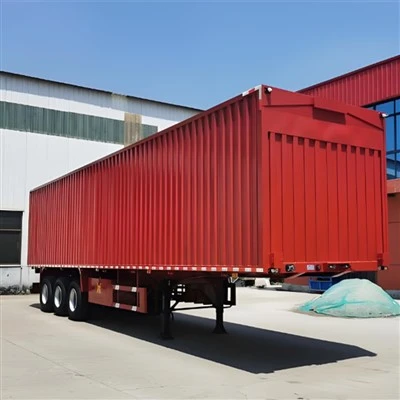
If you’re in the market for a new or used cargo truck, or you need help setting up a maintenance plan for your existing fleet, our team is here to help. We’ve worked with hundreds of owner-operators and fleet managers across the country, and we know what it takes to keep your electrical system running smoothly, no matter what you’re hauling or where you’re going. Don’t wait until a small electrical problem turns into a big, costly headache—reach out to our team to discuss your needs, whether that’s a routine maintenance check, a new electrical component, or a new cargo truck built for heavy-duty work.
Tractor Truck References:
- North American Council for Freight Efficiency. (2022). Medium and Heavy-Duty Truck Electrical System Maintenance Best Practices.
- Truck Maintenance Council. (2021). Recommended Practice for Cargo Truck Electrical Component Inspection and Testing.
- Society of Automotive Engineers. (2020. Electrical System Design and Maintenance for Commercial Cargo Vehicles.
Jining Dafu Machinery Sales Co., Ltd.
As one of the most professional cargo truck suppliers in China, we’re featured by quality products and low price. Please rest assured to wholesale bulk cheap cargo truck from our factory. We also accept customized orders.
Address: Room 1-115, Building 7, Luxinan Auto Parts City, Qiantongdian Village, Quanpu Town, Liangshan County, Jining City, Shandong Province
E-mail: jiningdafu@163.com
WebSite: https://www.dafumachinery.com/
