If you’ve ever shopped for seating for a kitchen island, home bar, or casual dining nook, you’ve probably stared at two options: bar stools and “regular” chairs. For years, I’ve sourced and supplied seating for residential and commercial spaces, and one question comes up almost every day from homeowners, interior designers, and café owners: How do I tell the difference between these two? It’s not just about height—there’s engineering, ergonomics, and purpose that set them apart, and understanding that means you don’t waste money on the wrong piece for your space. Chairs
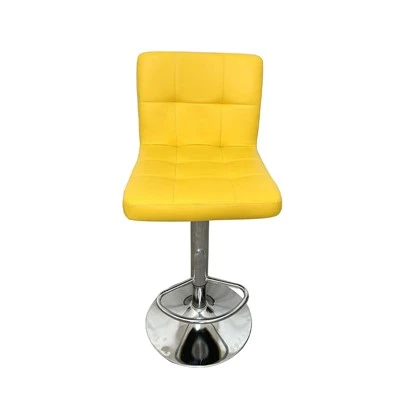
Let’s start with the basics most people notice first: height. A standard chair, the kind you’d pull up to a dining table, desk, or kitchen table that’s 28 to 30 inches tall, usually measures 18 to 23 inches from the floor to the seat. Bar stools, on the other hand, are built for surfaces that are much higher: a standard bar is 40 to 42 inches, so bar stools fall into two main height categories: counter height (24 to 27 inches seat height) for 36-inch counter tops, and bar height (28 to 32 inches) for 42-inch standard bars. But height is just the surface-level difference—dig into ergonomics, and you’ll see why each is made for totally different use cases.
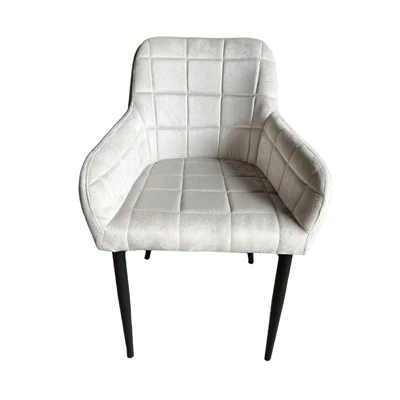
Ergonomics is where the real gap lies. A regular chair is designed for sustained seated time, right? If you’re sitting at a desk for 8 hours at work, or a dinner table for a 2-hour holiday meal, you need support for your lower back, hips, and thighs. Most regular chairs have a backrest that curves to match the natural S-shape of your spine, a wide seat deep enough (18 to 20 inches) that you can sit back without your legs dangling, and armrests that can take weight off your shoulders. I remember a client last year, a small business owner who runs a boutique café, tried to use regular dining chairs at their high top tables, and within a month, half of them were broken. Turns out, those chairs were built for low, fixed tables, not for 40-inch bars where people stand up, lean over, and shift weight constantly.
Bar stools, by contrast, are built for short, flexible seated stints. Most bar stools (especially the backless or low-back variety) have a narrow, shallow seat—usually 14 to 18 inches wide, 12 to 16 inches deep—because when you’re at a bar, you’re not sitting for hours. You’re grabbing a drink, chatting, or watching a game, so the seat is just a place to park yourself, not a replacement for a desk chair. A lot of people forget that backless stools, the most popular for home bars, don’t have any back support because people tend to lean forward, rest their elbows on the bar, or stand up often. Even stools with backs, called “backed bar stools,” have shorter, slimmer backrests than regular chairs—usually only reaching the mid-back, not the upper back, to let you move freely. There’s also footrests, a feature almost universal on bar stools, that regular chairs almost never have. That footrest isn’t a gimmick—it’s ergonomically designed to take pressure off your legs. If your feet dangle over the edge of a high stool, you’ll strain your calves and hips after 15 minutes, but a footrest lets you rest your feet without the chair’s seat digging into the back of your knees. I’ve tested both myself in my own home: I have a bar height stool at my kitchen bar, and when I tried to sit there for a full dinner, my lower back ached because there’s no lumbar support, whereas my dining chair lets me sit for hours without issue.
Then there’s structural design, which ties back to their intended use. Regular chairs are built for stability on flat, even floors, and they have a wide base—four legs, spaced evenly, usually 20 to 24 inches apart—to keep you stable when leaning or turning. Most regular chairs also have a fixed seat, attached to the legs in a way that can handle the constant shifting of weight during long sits. Bar stools, though, have to handle a lot more movement: people swing their legs, stand up quickly, push against the stool to get up, and sometimes even rock slightly. That’s why a lot of bar stools have a narrower base, especially swivel bar stools that let you turn to talk to someone without standing up. The legs on bar stools are also shorter relative to the seat height, since the seat is so high, and many have a crossbar or reinforced feet to prevent wobbling. I’ve had to replace a dozen regular chairs in commercial settings where they were used as makeshift bar stools—their narrow, stable base for low floors just doesn’t work when you’re on a elevated surface, and the legs bend or snap under the weight of someone pushing off to stand up.
Material and weight capacity are another difference, especially for commercial spaces. Regular chairs, especially those for homes or offices, are usually made to hold 250 to 300 pounds, with durable fabric or leather upholstery that can handle spills and regular cleaning. Bar stools, though, are often built for heavier use in bars, restaurants, or busy home kitchens, so many have weight capacities of 300 to 500 pounds, with materials that are easier to wipe down—vinyl, metal, or polyurethane—since bar stools are more likely to get splashed with drinks, food, or grease. I supply a lot of stools to local breweries, and they prefer metal stools because they’re tough enough to handle daily wear and tear, whereas the dining chairs I supply to their front seating area are upholstered for comfort during long meals.
Wait, what about edge cases? Like counter stools vs. bar stools? Or lounge chairs that are a mix? A lot of people confuse counter stools with bar stools, but counter stools are a middle ground—seat height 24 to 27 inches, for 36-inch counters, and slightly wider seats than bar stools, with a bit more back support. They’re meant for casual seating at kitchen islands, where you might have a quick breakfast or a work call, so they’re a hybrid between a bar stool and a regular chair. But even counter stools aren’t the same as a standard dining chair. I had a client last year who put counter stools at her 30-inch dining table, and her knees hit the underside of the table every time she sat down, because the stool’s seat height is too high for the lower table. That’s why measuring your surface height is the first step, no matter what seating you pick.
Another common mix-up: stool chairs, sometimes called “saddle stools” or “rolling stools,” used in offices or workshops. Those are designed for standing-height work surfaces, like standing desks, so they have a seat height of 25 to 28 inches, similar to counter stools, but they’re not bar stools because they’re made for seated work, not for a bar. They have lumbar support, often no footrest, and a wider base for stability on uneven workshop floors—totally different from a bar stool’s design.
So why does all this matter, especially if you’re ordering seating for your space? If you’re putting seating around a 42-inch bar, a regular chair will feel too low, and your feet will dangle, leading to discomfort. If you’re using a regular chair as a kitchen island stool, it might hit the underside of the counter, and there’s no footrest for comfort. For commercial spaces, getting this wrong is even more costly: if a café owner buys dining chairs for their high-top tables, they’ll have to replace them every 6 months, whereas bar stools are built to last. For residential users, it’s just about comfort: I’ve heard from dozens of customers who bought the wrong seating, only to return it a week later because their backs ached or their knees hit the table.
Let me share a quick example from my own supply business. Last quarter, a couple came in wanting seating for their new apartment’s 40-inch bar. They tried to save money by buying a set of used regular chairs online, because they were cheaper, and within two days, they were calling to exchange them. They said their feet dangled so much they couldn’t sit for longer than 10 minutes, and the chairs’ backs weren’t designed for leaning forward to grab a drink. I swapped them for a set of 30-inch bar stools with back support and footrests, and they’ve since ordered a second set for their basement game room. That’s the difference: matching the seating to its intended use, not just grabbing the cheapest option.
Now, for anyone looking to shop smart, here’s a quick checklist to tell a bar stool apart from a regular chair, every time. First, measure your surface: if it’s 36 inches tall, you need a counter stool (24-27 inch seat height); 42 inches, a bar stool (28-32 inch seat height). Second, look for key features: does it have a footrest? That’s a dead giveaway for a bar stool. Does it have a deep, curved backrest for long seated support? That’s a regular chair, not a bar stool. Third, check the base: bar stools usually have a narrower base, often swivel, to move easily on an elevated surface; regular chairs have a wide, stable base for flat floors.
As someone who’s been in the seating supply industry for over a decade, I can tell you that the best seating isn’t just about looks—it’s about function. A bar stool belongs at a bar or counter, where short, casual seated time is the norm, and a regular chair belongs at a table or desk, where comfort and support for long periods matter more. Mixing them up isn’t just an aesthetic mistake—it’s a functional one that leads to discomfort, wasted money, and even broken furniture.
If you’re planning a seating project, whether it’s a home bar, a café, or a office break room, and you’re not sure which option is right for your space, reach out to our team to discuss your needs. We can help you measure your space, match the right seating to your use case, and find options that fit your budget. No matter what your project is, we have a range of bar stools, regular chairs, and hybrid options designed for every space and every need.
Chairs References:
- Ergonomics Guidelines for Seating in Commercial Food Service Settings, National Restaurant Association, 2022
- Residential Seating Design Standards, American Society of Interior Designers, 2021
- Material Durability for High-Traffic Seating, Hospitality Construction Magazine, 2023
- Biomechanics of Seated Posture, Journal of Ergonomics, 2020
Bazhou Ransheng Furniture Co., Ltd.
We’re well-known as one of the most experienced chairs manufacturers and suppliers in China. With a professional production team, we offer a wide range of chairs with superior quality. Welcome to wholesale bulk high-end chairs in stock here and get quotation from our factory. Customized orders are welcome.
Address: Shengfang Town, Bazhou City, Langfang City, Hebei Province
E-mail: m13513011855@163.com
WebSite: https://www.ranshengfurni.com/
