If you’re a homeowner with a residential elevator, you already know how convenient it is—no more hauling laundry or heavy groceries up stairs, easy access for kids, aging family members, or anyone with mobility needs. But even the best residential elevators run into small snags over time, and one of the most common ones is wonky door sensors. If those sensors are misaligned, they might not stop the doors when something’s in the way, or they might trigger false stops for no reason. I’m gonna be real with you here: adjusting door sensors isn’t rocket science, but if you skip a step or rush it, you could end up with a door that won’t close at all, or worse, a safety hazard. As someone who’s been supplying residential elevators for over a decade, I’ve helped so many homeowners figure this out without calling in a pricey technician, so let’s break this down step by step, no fancy jargon, just what you actually need to do. Residential Elevators
First, let’s get the basics straight: what even are door sensors on a residential elevator? Most home elevators use two types—infrared (IR) sensors, which are the little eyes you see on the top and bottom of the door frame, and contact sensors, which are the soft edges along the door itself. 9 times out of 10, the ones that go bad or misaligned are the IR ones. They work by beaming an invisible light from one side to the other; if something breaks that beam, the doors stop immediately. If they’re off, either the beam’s not reaching the receiver, or it’s getting blocked by something that shouldn’t matter.
Before you touch anything, safety first. I can’t stress this enough—elevators have a safety lock that stops them from running if the doors are open, but don’t take chances. Turn off the elevator’s power supply. Most of the time, there’s a breaker in your basement or near the elevator shaft—just flip it to “off.” If you can’t find it, check your elevator’s manual (if you lost yours, most residential elevator brands have digital copies online, or shoot us a message and we can hook you up). Never work on the elevator while it’s running, even if you think you’re being careful—one small slip and you could get hurt.
Next, do a quick visual check. A lot of misalignment issues are super obvious, so you won’t even need tools. Grab a flashlight and look at both the transmitter (the one that’s beaming the light, usually on the left side of the frame) and the receiver (the one that catches the beam, right side). Are they dirty? Dusted with cobwebs, smudged with fingerprints from when you cleaned the door last month? That’s a big one—IR sensors hate dust and grime. Grab a soft microfiber cloth (no paper towels, they scratch the lens) and a little rubbing alcohol, gently wipe both the transmitter and receiver lenses. Don’t press too hard—those tiny sensors are easy to crack. While you’re at it, check the door tracks, too. Sometimes a little debris in the track can make the door shift just enough to throw the sensors off, or the door itself is slightly out of alignment. Wipe the tracks with a rag, make sure there’s no small toys, screws, or dirt stuck in there. If that fixed the problem, great—no need to adjust anything. If it’s still acting up, move to the next step.
Now, let’s adjust the sensors themselves. Most residential elevator door sensors are held in place with two small screws, one at the top and one at the bottom of each sensor unit. You’ll need a small Phillips head screwdriver for this—nothing fancy, the one in your toolbox should work. Find those screws, they’re usually hidden under a tiny plastic cap on the sensor, so you might have to pop that off with a flathead screwdriver or your fingernail. Don’t lose the cap, they’re easy to misplace.
Once you’ve got the screws loose, here’s the trick: you need to align the transmitter and receiver so the beam is straight. The easiest way to test this is to turn the power back on temporarily (only for a minute, don’t run the elevator) and watch the sensor indicator light. Most IR sensors have a little red or green light: green means the beam is connected, red means it’s not. If the light is red, gently nudge the transmitter left or right, up or down, until the green light pops on. Do the same for the receiver—you might have to adjust both a little to get it right. Once the light is solid green, tighten the screws just enough to hold the sensor in place, don’t crank them too hard, or you could break the mount.
Wait, what if there’s no indicator light? That’s okay, we can do a simple test. Close the elevator doors, then grab a thin object—like a broomstick handle, or even a thick book—and hold it right in the middle of the door frame (where the beam is supposed to be). If the doors stop immediately, great. If not, your sensor is still misaligned. Nudge the transmitter a tiny bit, test again, until the doors stop when you block the beam. Don’t test with your hand, obviously—you don’t want to get pinched.
Another common issue: the sensors are too sensitive. Sometimes the beam is so tight that a shadow from a small object, like a coat hanging over the elevator door, triggers a false stop. If that’s happening, you can adjust the sensitivity setting. Some newer residential elevator models have a sensitivity dial on the sensor unit, right next to the screws. It’s usually a little plastic wheel with numbers, from 1 to 10. If you’re getting too many false stops, turn the dial down one or two numbers. If the doors aren’t stopping when they should, turn it up. If your sensor doesn’t have a dial, you can make a tiny adjustment to the position of the receiver—move it just a hair away from the transmitter so the beam isn’t as narrow.
What about contact sensors, the soft edges on the door? Those are a little less common, but they can go bad too. If the doors close all the way then pop back open, it might be the contact sensor. Check the soft rubber edge along the door, make sure it’s not cracked or dirty. If it’s dirty, wipe it down. If it’s cracked, you can usually get a replacement strip from most residential elevator suppliers, it’s super easy to snap into place. If the contact sensor is loose, just tighten the screw that holds it to the door edge.
Now, let’s talk about when to call a pro. Even though adjusting sensors is pretty straightforward, there are a few times you shouldn’t mess around. If after adjusting the sensors the doors still won’t align, or you hear weird grinding noises when the elevator runs, that’s a bigger issue, probably with the door mechanism itself. Also, if your elevator is older than 15 years, the sensors might be outdated, and adjusting them won’t fix the problem—you might need to replace them entirely. And if you’re ever unsure about anything, safety-wise, just reach out. We supply residential elevators, and our team has been trained to help homeowners with small issues like this, no pressure, no hidden fees.
I’ve seen so many homeowners try to tackle this on their own and make it worse—either they strip a screw, break a sensor lens, or align it so bad the doors stop 10 times a trip. The key here is to go slow. Don’t rush the alignment test, don’t crank the screws, don’t skip the safety step of turning off the power. It’s way easier to do this in 10 minutes than it is to pay a technician an hour’s wage to fix a mistake you made.
Another quick tip: once you get the sensors aligned, mark the position of the screws with a tiny piece of painter’s tape. That way, if they ever get knocked out of place again (like if you’re moving something heavy and bump the door frame), you can quickly adjust them back without having to test for 10 minutes. It’s a small trick, but it saves me so much time when I’m helping customers over the phone.
Let me also bust a myth here: you don’t need special tools or a fancy degree to adjust residential elevator door sensors. I’ve had homeowners in their 70s figure this out on their own, no problem. It’s just a matter of knowing what to look for. The worst thing that can happen is you make a tiny adjustment that doesn’t work, then you call us, and we walk you through it over the phone. That’s way better than being stuck with an elevator that won’t close when you have groceries in both arms.
At the end of the day, door sensors are a safety feature first, a convenience second. If they’re working right, you don’t even think about them—they just stop the doors when they need to, so you don’t have to worry about pinching fingers or having the door close on a kid’s toy. If they’re off, don’t ignore it. A false stop is annoying, but a door that won’t stop when it should is a hazard.
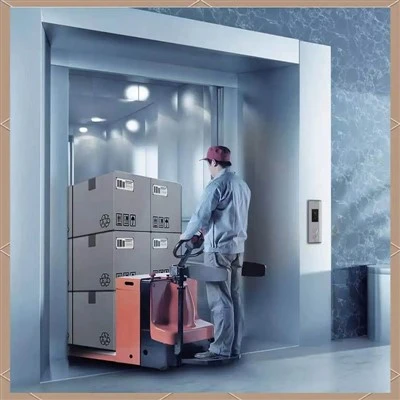
If you’ve tried adjusting the sensors and it’s still not working, or you’re thinking about upgrading your elevator to a newer model with better, more reliable sensors, we’re here to help. We supply residential elevators for all home sizes, from small compact models fit for a single person to larger ones that can fit a wheelchair or a moving dolly. Our team can answer any questions you have, help you troubleshoot small issues like door sensors, or walk you through purchasing a new elevator if you’re ready for an upgrade. Don’t hesitate to reach out to our team to talk through your needs, no pressure, no sales pitches—just honest advice for your home’s elevator.
Machine Room Less Elevators References:
- National Elevator Industry, Inc. Residential Elevator Safety Guidelines, 2022.
- International Code Council. Residential Elevator Accessibility Standards, 2021.
- Residential Elevator Manufacturers Association. Home Elevator Maintenance Guide, 2023.
Ningbo Dongao Elevator Co., Ltd.
As one of the most experienced residential elevators manufacturers and suppliers in China, we also support customized service. We warmly welcome you to buy high quality residential elevators for sale here from our factory. For quotation, contact us now.
Address: No. 16 Xiapan Road, Ninghai County, Ningbo City, Zhejiang Province
E-mail: 13777289058@163.com
WebSite: https://www.daelevator.com/
