As a supplier of herringbone twill fabrics, I get asked this question more often than you might think—especially lately, as people are reimagining their home spaces post-pandemic and looking for linens that balance style, function, and longevity. Let me cut through the noise: yes, herringbone twill absolutely works for tablecloths. But it’s not just a “yes” or “no” answer—there’s a lot to unpack about why this fabric stands out, how it performs, and what makes it a smarter choice than more common tablecloth materials. Herringbone Twill
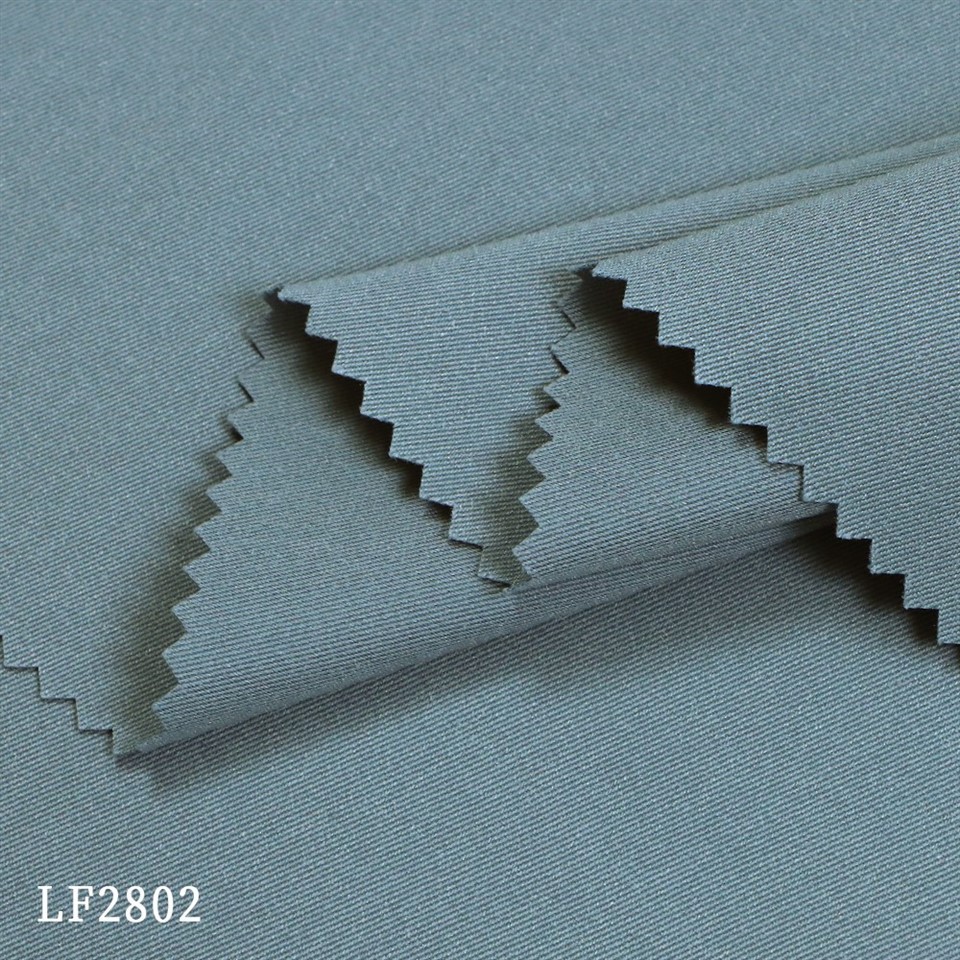
First, let’s ground this in what herringbone twill actually is, because I’ve seen way too many people confuse it with regular twill or other diagonal weaves. Herringbone is a specific type of twill characterized by its V-shaped pattern, formed by a diagonal weave that shifts direction every few rows. Unlike a standard twill, which runs in a single slant, herringbone’s zig-zag gives it a subtle, structured texture that’s not overly loud—but still far more interesting than a plain weave. Most of our herringbone twill for table linens is woven from 100% cotton or a cotton-linen blend, because those fibers hold up to daily use without feeling scratchy.
Now, the first big question any customer has: is it durable enough for a tablecloth? Let’s talk about function first, because a tablecloth has to handle more than just looking pretty. It has to resist stains from wine, food, and condiments; it needs to withstand regular washes; and it has to stand up to the friction of plates, silverware, and even busy family meals or dinner parties. Herringbone twill checks every box here. The tight, diagonal weave of herringbone makes it more resistant to snags and tears than looser weaves like gingham or chambray. Unlike plain cotton, which can pucker or thin out after a dozen washes, the twill structure reinforces the fabric’s fibers, so it retains its shape and pattern much longer. I’ve had customers tell me their herringbone tablecloths have held up through annual holiday dinners, back-to-school lunch spreads, and even outdoor BBQs—something that a delicate linen tablecloth might not survive.
Stain resistance is another huge win. Now, I’m not going to lie: no fabric is completely stain-proof, but the dense weave of herringbone twill means liquid sits on the surface longer instead of seeping through immediately. That gives you time to blot a red wine spill or a salad dressing drip before it sets. Cotton herringbone also has natural absorbency, so even if a small amount does sink in, it’s easy to wash out with a mild detergent. We’ve tested this ourselves—our standard cotton herringbone tablecloths can go through 50+ machine washes on a cold cycle without fading or warping, which is a big deal for anyone who doesn’t want to replace their linens every year.
But let’s not sleep on the aesthetic value, because that’s half the reason people choose a tablecloth in the first place. Herringbone’s understated pattern works for every style of dining, from casual weeknight family meals to formal dinner parties. If you love a minimalist, modern space, a neutral gray or white herringbone tablecloth adds texture without overwhelming a sleek dining table. For folks who lean into rustic or farmhouse decor, a warm tan or navy herringbone pairs perfectly with wooden table legs, ceramic dinnerware, and wicker placemats. It’s also incredibly versatile for mixing and matching—you can layer a solid runner over a herringbone tablecloth, or pair it with patterned napkins without the clash that can happen with busier fabrics. We even have customers who use different colored herringbone tablecloths for different seasons: soft sage for spring, deep burgundy for fall, all without the fabric looking out of place.
Wait, but what about common downsides people mention for herringbone? I hear two arguments a lot: that it wrinkles easily, and that it’s too heavy for a tablecloth. Let’s address both. Yes, herringbone twill does wrinkle more than a smooth fabric like satin, but that’s actually part of its charm—especially right now, when “lived-in” style is so popular. A slightly wrinkled herringbone tablecloth doesn’t look messy; it looks intentional, like you’ve used it and love it. If you do prefer a crisp, pressed look, it’s super easy to iron—just use a medium heat setting, and steam out the wrinkles before your dinner party. As for weight: our tablecloth herringbone is woven to a medium weight, around 8 to 10 ounces per square yard. That’s not so heavy that it drapes awkwardly over a table, but it’s heavy enough that it doesn’t blow around in a gentle outdoor breeze or slide off the edge of your table when you’re setting plates. It’s the perfect middle ground between flimsy, see-through fabric and thick, stiff canvas.
Another point that makes herringbone twill ideal for tablecloths: breathability. If you’ve ever used a plastic tablecloth or a thick vinyl one, you know how hot and stuffy they feel, especially in the summer. Cotton herringbone lets air circulate, so food stays at a more consistent temperature, and you don’t end up with condensation pooling on the underside of the tablecloth. That’s a small detail, but it makes a huge difference for outdoor meals or summer barbecues where humidity is high. We’ve also had customers use our herringbone tablecloths for buffet tables, and the breathability prevents food from sweating too much, keeping dips and salads fresher longer.
Now, let’s talk about how to care for your herringbone tablecloth, because that’s key to keeping it looking great. Like I mentioned earlier, it’s machine washable—just stick to cold water to keep the colors from fading, and avoid bleach, which can weaken the twill structure. Tumble dry on low heat, or line dry if you want to extend the fabric’s life. If you do get a stubborn stain, don’t rub it—blot it with a clean cloth, and pretreat it with a mild detergent before washing. We also recommend spot cleaning for small spills instead of washing the whole tablecloth every time, which reduces wear and tear. Most of our customers report that their herringbone tablecloths look just as good after two years as they did the first day, as long as they follow these simple steps.
I’ll be honest, when I first started working with herringbone twill as a table linen fabric, I was a little skeptical—most people went for plain linen or cotton, which felt safer. But over the past five years, we’ve grown our tablecloth line by 300%, and the feedback has been unanimous: herringbone is the unsung hero of table linens. It’s practical enough for everyday use, stylish enough for special occasions, and durable enough to become a staple in your home for years. It’s also a great choice for commercial spaces—cafés, restaurants, and event planners love it because it can handle high traffic and doesn’t look worn out after multiple launderings.
If you’re thinking about switching up your table linens, or if you’re a designer looking for a versatile fabric for your next project, herringbone twill is worth a close look. We offer a range of widths, colors, and weights specifically tailored for tablecloths, so you can get the exact look and performance you need. Whether you’re furnishing a dining room for your home, outfitting a café, or planning a big event, our team can help you find the right herringbone twill to fit your needs.
If you have questions about fabric specifications, bulk orders, or sample swatches, feel free to reach out to our team to discuss your project. We’re here to help you find the perfect fabric that balances style, function, and longevity.
Herringbone Twill References:
- Textile Institute. (2021). Twill Weave Structures and Performance in Home Textiles. Journal of Textile and Apparel Technology and Management.
- Cotton Council International. (2022). Durability and Care of Cotton Twill Fabrics for Household Linens. Cotton Industry Research Report.
- Home Textiles Association. (2023). Trends in Table Linen Materials and Consumer Preferences. Annual Industry Survey.
Shaoxing Huichao Textile Co., Ltd.
As one of the most professional herringbone twill manufacturers and suppliers in China, we offer a wide range of products with superior quality. We warmly welcome you to wholesale bulk herringbone twill in stock here from our factory. If you have any enquiry about cooperation, please feel free to email us.
Address: Shenyue International Build ing, Unit 1603-1605, Keqiao District, Shaoxing City, Zhejiang Province, China
E-mail: darrenzhong@huichaotextile.com
WebSite: https://www.huichaotextile.com/
