If you work in water distribution, municipal infrastructure, or industrial fluid transport, chances are you’ve come across HDPE (High-Density Polyethylene) pipes and fittings—they’re the unsung workhorses of modern infrastructure, and as someone who’s supplied these components for over a decade, I’m often asked one question: Do HDPE pipes and fittings require special maintenance? The short answer is no, not the way traditional metal or concrete pipes do. But that doesn’t mean they’re set-it-and-forget-it. Over the years, I’ve seen a lot of projects cut corners on basic upkeep that ended up costing clients thousands in repairs and replacements, so let’s break this down by combining real-world supplier experience, industry data, and common field mistakes I’ve witnessed firsthand. HDPE Pipes and Fittings
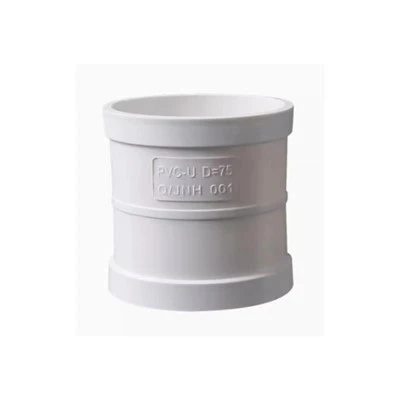
First, it’s important to understand why HDPE’s inherent properties reduce maintenance needs compared to other materials. Unlike steel, which rusts, corrodes, and develops scale that narrows pipes and lowers flow, HDPE is chemically inert—it resists most acids, bases, and agricultural chemicals that would eat away at metal. Its non-porous surface also prevents biological growth (like biofilm) that clogs pipes over time, a huge win for water systems. And compared to concrete, HDPE is lightweight, flexible, and resistant to cracking from ground movement, frost heave, or minor seismic activity. That means less structural failure, which translates to fewer emergency repairs. But here’s the catch: HDPE’s low-maintenance reputation only holds if it’s installed correctly and given occasional, targeted checks. I’ve seen a perfectly good HDPE installation go bad in three years because someone skipped a simple pre-installation step that cost us the chance to fix it before it became a problem.
Let’s start with the pre-installation phase, because this is where maintenance really begins, not after the pipe is buried. As a supplier, we always emphasize to our clients that HDPE is durable, but it’s not indestructible. For example, HDPE pipes can be damaged by heavy equipment during installation if they’re dragged over sharp rocks or hit with excavator buckets. I once supplied a set of pipes for a small irrigation project where the contractor skipped covering the trench bottom with a 6-inch layer of sand before laying the pipe. Within six months, half the pipes developed pinhole cracks—small, nearly invisible breaks that let silt in and reduced water flow by 30%. The fix was digging up every pipe, replacing the damaged sections, and re-laying with proper bedding, which cost the project twice what the pipes themselves cost. That’s a maintenance mistake that could have been avoided before the pipe was even in the ground. Another common pre-installation error: storing HDPE pipes improperly. If you leave them exposed to direct sunlight for months without UV stabilization, the polyethylene breaks down—UV rays cause molecular chains to degrade, making the pipe brittle. We’ve had clients tell us their pipes were “fine” when unloaded, only to find they cracked during installation because they sat outside for three months. That’s not a defect in the product; it’s a lack of basic care before installation.
Once HDPE pipes are in service, the maintenance requirements shift drastically from active repairs to regular monitoring, which is far less labor-intensive than maintaining metal or concrete. Let’s compare: a steel water main needs annual internal inspections to check for corrosion, scale buildup, and leaks, plus external checks for rust on joints. Concrete pipes need to be inspected for cracks, joint separation, and infiltration of tree roots. For HDPE, most of these checks are less frequent and simpler. The key points here are leak detection, flow monitoring, and joint integrity checks. Leaks in HDPE systems are rare because the joints—usually fusion-welded or mechanical—are as strong as the pipe itself when done correctly, but they do happen. I’ve seen a small irrigation line leak because a mechanical coupling was tightened too loosely by a contractor, not because of the HDPE pipe. The good news is HDPE leaks are easy to locate because the non-porous material doesn’t absorb water, so leaks create a clear, visible wet spot above ground. For municipal clients, we recommend using acoustic leak detectors for HDPE, which work well because the flexible pipe carries sound differently than rigid materials—most leaks can be found in hours, not days, unlike metal pipes where corrosion can hide leaks for years.
Flow monitoring is another low-effort maintenance step that makes a big difference. Because HDPE has a smooth inner wall, flow rates stay consistent over time, but if there’s a drop in flow, it’s almost always due to a blockage from something external—not internal scale or biofilm (HDPE’s surface resists that). For example, if sand or silt is getting into the pipe, it will settle at low points, causing a gradual flow reduction. Checking low-point drain valves twice a year (usually in spring, after frost heave, and fall, before winter) is enough to clear minor sediment buildup. I worked with a city last year that skipped these checks for five years; when they finally opened the drains, they removed over 200 pounds of silt from a 2-mile stretch of HDPE main. That’s not a maintenance task that requires heavy equipment or specialized tools—just a wrench and a bucket.
Joint integrity is the only area where HDPE systems do need regular, targeted checks, and this is where many clients underestimate the need. Fusion joints (the most common type for HDPE pipes) are extremely strong, but they can fail if installed incorrectly. For example, if the fusion surface isn’t cleaned properly, or if the heat isn’t applied for the right amount of time, the joint can be weak. Mechanical joints, which are used for smaller diameter pipes or repairs, can degrade over time if the gaskets wear out. We recommend checking mechanical joints every 3 to 5 years, depending on the operating environment, and fusion joints only if there’s a suspected issue (like a leak or a crack in the joint area). For municipal projects, we provide a joint testing guide that’s free for our clients—basically, if a joint looks deformed or has a gap wider than 1/8 of an inch, it needs to be re-tested or repaired. I’ve seen mechanical joints on agricultural HDPE lines fail after 7 years because of constant temperature swings and exposure to soil chemicals; checking those joints early prevented a whole-field shutdown that would have cost the farmer tens of thousands.
Winter maintenance is another area where HDPE’s properties help, but small steps make a big difference. Unlike metal pipes, HDPE doesn’t burst as easily when water freezes because it’s flexible—ice can expand slightly inside the pipe without cracking the material. But that doesn’t mean you can ignore winter care. For systems that drain completely in winter (like irrigation lines), we always recommend draining every drop of water from the pipes to prevent ice buildup that can block flow. For pressure systems, we recommend keeping a slight positive pressure in the pipes during cold snaps—this prevents air from getting in and forming ice plugs. I had a farming client last year who didn’t drain his HDPE lines, and the ice plug blocked a section, but instead of cracking the pipe, the plug moved when the weather warmed up and only caused a temporary flow drop. If that was steel pipe, it would have burst and needed full replacement. But even so, draining or maintaining pressure is a small, annual task that avoids even minor issues.
Another common myth: HDPE pipes don’t need any maintenance at all. That’s where clients go wrong, especially in harsh environments like industrial facilities with high-temperature fluids or agricultural areas with constant exposure to fertilizers. For example, if you’re moving hot wastewater at 140°F, standard HDPE has a maximum operating temperature of 120°F, so you need high-temperature HDPE pipe, and it’s more susceptible to UV damage if the line is above ground. I once supplied a set of above-ground HDPE pipes for a chemical processing plant that used standard HDPE instead of the heat-resistant grade; after two years, the pipes became soft and deformed from the constant high temperature, leading to leaks. That’s not a maintenance issue—it’s a product selection mistake, but it could have been avoided with basic knowledge. Similarly, in areas with high levels of certain chemicals (like some pesticides or industrial solvents), HDPE can degrade over decades, not years, so occasional testing of the pipe material’s density or tensile strength is recommended every 20 to 25 years—most of our HDPE pipes have a 50-year design life, so a single test in year 20 is enough to confirm they’re still performing as expected.
As a supplier, our goal isn’t just to sell pipes and fittings—it’s to make sure our clients get the longest life out of their investment, which means sharing maintenance tips that save them time and money. Over the years, I’ve compiled a list of the most common maintenance mistakes clients make with HDPE systems, all of which are easy to avoid: first, never drag or drop HDPE pipes during installation; use proper bedding material (sand, gravel, or geotextile) to prevent sharp objects from damaging the pipe. Second, store HDPE pipes in a shaded, covered area if they’re not installed within 30 days—UV stabilization holds for about a month of direct sunlight exposure, after that, degradation starts. Third, schedule annual low-point drain checks for all systems, and joint checks every 5 years for mechanical joints. Fourth, select the right HDPE grade for the application—standard, high-temperature, or UV-stabilized, depending on what the pipe will be used for.
I often get asked if HDPE maintenance is more expensive than other materials. Let’s do a quick cost comparison. A steel water main costs about $50 per linear foot, with annual maintenance of about $1.50 per linear foot (for corrosion checks, repairs, etc.), over a 50-year life, that’s $125 per linear foot in maintenance. An HDPE main costs about $65 per linear foot, with annual maintenance of about $0.20 per linear foot (for occasional leak checks, drain cleaning), over 50 years that’s $10 per linear foot. That’s a huge difference, and it’s exactly why more municipalities and industrial facilities are switching to HDPE—because the low maintenance costs far outweigh the slightly higher upfront price. But that only holds if you follow the basic maintenance steps. Skipping those steps can turn a low-maintenance system into a high-cost headache, which is what I’ve seen too many times.
So to circle back to the original question: Do HDPE pipes and fittings require special maintenance? The answer is not “special” in the way that metal pipes need specialized corrosion treatments or concrete needs concrete sealers, but they do require targeted, simple maintenance that’s tailored to their unique properties. The key is to treat them for what they are: a durable, flexible material that’s forgiving if you follow a few basic rules, but that can be damaged by neglect or mismatched product selection.
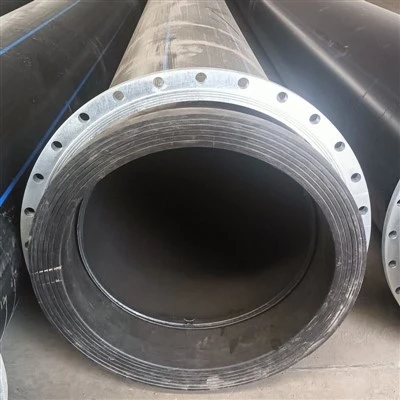
If you’re working on a new project, or if you have an existing HDPE system that’s starting to show signs of wear, we’re here to help. Our team has years of experience supplying HDPE pipes and fittings for municipal, agricultural, and industrial projects, and we can provide you with a custom maintenance plan that fits your needs. Whether you need help selecting the right HDPE grade, reviewing your installation practices, or setting up a regular inspection schedule, we can work with you to keep your system running smoothly for decades. Don’t let avoidable maintenance mistakes turn your HDPE investment into a cost burden—reach out to us today to discuss your project needs, and we’ll make sure you get the most out of your HDPE components.
PVC Pipe & Fittings References
American Water Works Association. (2019). HDPE Pipe Design and Installation Guide. AWWA.
Plastics Pipe Institute. (2021). HDPE Pipe Maintenance Best Practices for Municipal and Industrial Applications. PPI Technical Report.
US Department of Agriculture. (2020). Irrigation Pipeline Maintenance for HDPE Systems. USDA Agricultural Resources Management Guide.
Shanxi Kaisheng Plastic Co., Ltd.
As one of the most professional hdpe pipes and fittings manufacturers and suppliers in China, we’re featured by quality products and good price. Please rest assured to buy customized hdpe pipes and fittings made in China here from our factory. Welcome to contact us for quotation.
Address: No.72, Area S, Gate 1, Haohai Wumart, Fendong Street, Xiaodian District, Taiyuan City, Shanxi Province
E-mail: sxkssj8@163.com
WebSite: https://www.sx-kssj.com/
