As a seasoned eyelash glue supplier, I’ve encountered numerous inquiries from customers about how to make eyelash glue less sticky. This issue isn’t just a minor inconvenience; it can significantly impact the application process, the comfort of the wearer, and the overall long – term satisfaction with the product. In this blog, I aim to share some scientific and practical insights on this topic. Eyelash Glue

Understanding the Stickiness of Eyelash Glue
Before delving into solutions, it’s crucial to understand what causes the stickiness of eyelash glue. Eyelash glues typically rely on cyanoacrylate as their main active ingredient. Cyanoacrylate is a fast – acting adhesive that polymerizes upon contact with moisture in the air or on the skin. This polymerization process creates a strong bond, resulting in the high stickiness that we’re all familiar with. The reaction is rapid, and once the glue starts to set, it becomes increasingly difficult to work with.
The stickiness can be affected by several factors. Temperature and humidity play a significant role. In warmer and more humid conditions, the polymerization process speeds up, making the glue stickier and set faster. The age of the glue also matters. As time passes, the chemical components in the glue may start to change, leading to increased viscosity and stickiness.
Adjusting the Application Environment
One of the simplest ways to make eyelash glue less sticky is to control the application environment. As mentioned earlier, temperature and humidity have a direct impact on the glue’s behavior.
- Temperature: The ideal temperature for applying eyelash glue is between 68°F and 72°F (20°C and 22°C). If you’re in a warmer environment, consider using a small fan to circulate the air around the application area. This can help to keep the temperature down and slow the polymerization process. On the other hand, in colder conditions, you can use a gentle heat source, such as a low – wattage desk lamp, to slightly warm up the glue and the application area, but be careful not to overheat it.
- Humidity: Aim for a relative humidity of around 40% – 60%. In high – humidity areas, using a dehumidifier can be very effective. A dehumidifier reduces the moisture in the air, which in turn slows down the polymerization of the cyanoacrylate in the eyelash glue. Conversely, in very dry environments, a small humidifier can be used to add a bit of moisture to the air, preventing the glue from drying out too quickly and becoming overly sticky.
Proper Storage of Eyelash Glue
How you store your eyelash glue can also have a profound effect on its stickiness.
- Keep it Cool: Store the glue in a cool place, preferably in a refrigerator. The low temperature slows down the chemical reactions within the glue, preserving its original consistency. However, make sure to allow the glue to come to room temperature before using it. This process usually takes about 15 – 20 minutes. Applying cold glue directly can cause it to dry unevenly and become more difficult to work with.
- Seal it Tightly: Always ensure that the glue bottle is tightly sealed after each use. Exposure to air accelerates the polymerization process, making the glue thicker and stickier over time. A loose – fitting cap or a bottle that is not properly sealed can lead to a shorter shelf – life and increased stickiness.
- Avoid Sunlight: Sunlight contains UV rays that can break down the chemical components of the eyelash glue. Store the glue in a dark place, such as a drawer or a cabinet, to protect it from sunlight.
Correct Application Techniques
Even with the best – stored glue and optimal environmental conditions, the way you apply the eyelash glue can also affect its stickiness.
- Use the Right Amount: Applying too much glue will not only make the process messier but also increase the stickiness. A thin, even layer of glue is sufficient to hold the eyelashes in place. Use a fine – tipped applicator to carefully apply the glue along the lash band.
- Wait for the Right Time: After applying the glue to the lash band, wait for a few seconds before attaching the lashes to your natural lashes. This allows the glue to start becoming tacky rather than overly sticky. As the glue loses some of its initial wetness, it becomes easier to position the lashes and reduces the risk of the lashes clumping together.
- Work Quickly but Carefully: Once the glue has reached the right tackiness, work quickly to apply the lashes. However, don’t rush so much that you make mistakes. Take your time to align the lashes properly and press them gently onto your natural lashes.
Adding Additives (with Caution)
Some people suggest adding certain additives to the eyelash glue to reduce its stickiness. However, this approach should be taken with extreme caution.
- Distilled Water: Adding a tiny amount of distilled water to the eyelash glue can potentially thin it out and reduce its stickiness. But it’s important to note that adding too much water can compromise the adhesive strength of the glue. Start with a single drop and mix it thoroughly. Test the glue on a small area of your lashes to ensure that it still provides a good hold.
- Silicone – Based Products: Some silicone – based lubricants or oils can be used to reduce the stickiness. However, these substances can also interfere with the bonding process of the cyanoacrylate. If you choose to use them, make sure to do a patch test first and use only a minimal amount.
Education and Training for Users
As a supplier, I recognize the importance of educating my customers about how to handle eyelash glue properly. By providing clear instructions on the product packaging and offering additional training materials, such as video tutorials or printed guides, I can help users avoid common mistakes that lead to excessive stickiness.
In addition, I encourage customers to share their experiences and feedback with me. This allows me to continuously improve my products and provide more relevant advice based on real – world usage scenarios.
Conclusion: A Better Eyelash Glue Experience
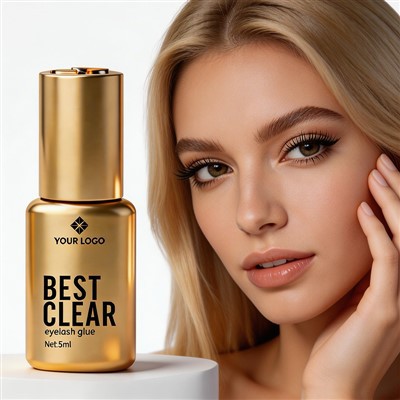
Making eyelash glue less sticky is not an insurmountable challenge. By understanding the factors that affect stickiness, adjusting the application environment, storing the glue properly, using correct application techniques, and with proper education, users can enjoy a smoother and more comfortable eyelash application process.
Eyelash Glue As an eyelash glue supplier, my goal is to provide high – quality products and support to my customers. If you’re looking for an eyelash glue that is easier to work with and can be adjusted to your specific needs, please don’t hesitate to contact me for a procurement discussion. Whether you’re a professional makeup artist or an individual who loves to wear false eyelashes, I’m confident that I can offer you the right solution.
References
- The Chemistry of Cyanoacrylate Adhesives, Journal of Adhesive Science and Technology
- Best Practices for Eyelash Glue Application, Cosmetics Today Magazine
- Impact of Temperature and Humidity on Adhesive Properties, International Journal of Adhesion and Adhesives
Guangzhou Xingrong Biotechnology Co., Ltd.
Guangzhou Xingrong Biotechnology Co., Ltd. is one of the most professional eyelash glue manufacturers and suppliers in China, also supports customized service with low price. Welcome to buy discount eyelash glue made in China here from our factory. Contact us for pricelist.
Address: No. 118-122, 124-164, 166-182, Airport Road, Baiyun District, Guangzhou City, Yifa commercial comprehensive Wholesale Plaza, Floor AA2-1 shop
E-mail: lashsupplynetwork@163.com
WebSite: https://www.lashsupplynetwork.com/
