Yo! I’m a supplier of CNC milling machines, and I often get asked this question: "What is the maximum engraving depth of a CNC milling machine?" Well, let’s dive right into it and break it down in a way that’s easy to understand. CNC Milling Machine
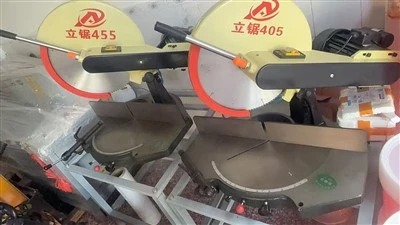
First off, the maximum engraving depth of a CNC milling machine isn’t set in stone. It depends on a whole bunch of factors. One of the major ones is the type of CNC milling machine we’re talking about. There are different kinds, like vertical and horizontal CNC milling machines.
Vertical CNC milling machines are pretty common. They’re great for a wide range of jobs, including engraving. Usually, they can handle an engraving depth anywhere from a few millimeters to around 10 – 15 millimeters. But this can change based on other things. For example, if you’ve got a more heavy – duty vertical CNC milling machine with a high – powered spindle, it might be able to go a little deeper.
On the other hand, horizontal CNC milling machines are often used for larger and more complex jobs. They can sometimes achieve a greater engraving depth compared to vertical ones. In some cases, they can reach up to 20 – 30 millimeters or even more. But again, it’s not just about the type of machine.
The material you’re working with plays a huge role. If you’re engraving on soft materials like wood or plastic, you can usually go deeper. Wood is a forgiving material, and a standard CNC milling machine can easily engrave 5 – 10 millimeters deep without much trouble. Plastic is similar; you can get a decent depth without overworking the machine.
But when it comes to harder materials like metal, it gets a lot trickier. Metals like steel or titanium are tough nuts to crack. The maximum engraving depth on steel might be limited to 2 – 5 millimeters for an average CNC milling machine. Titanium is even more challenging. You’ll be lucky to get an engraving depth of 1 – 3 millimeters because these materials are very hard and resistant to the cutting tools.
Another factor that affects the maximum engraving depth is the cutting tool. The size, shape, and quality of the cutting tool matter big time. A smaller – diameter tool might not be able to go as deep as a larger one. For example, a 1 – millimeter – diameter end mill won’t be able to engrave as deep as a 6 – millimeter one. Also, the material of the cutting tool is important. Carbide tools are very popular because they’re hard and durable. They can withstand the high – speed cutting and the forces involved in deep engraving better than some other materials.
The spindle speed of the CNC milling machine is also crucial. If the spindle is spinning too slowly, the cutting tool won’t be able to remove the material efficiently, which can limit the engraving depth. But if it’s spinning too fast, it can cause the cutting tool to wear out quickly or even break. You’ve got to find that sweet spot. For softer materials, a higher spindle speed might work well, but for harder materials, you’ll usually need to slow it down a bit.
The feed rate, which is how fast the cutting tool moves across the material, is linked to the spindle speed. If the feed rate is too high, the cutting tool might not be able to cut through the material properly, and you won’t be able to achieve a good engraving depth. If it’s too low, you’re just wasting time. You need to balance the feed rate with the spindle speed and the material you’re working on.
Now, let’s talk about the implications of getting the maximum engraving depth right. If you’re a manufacturer making products with engravings, having a good understanding of how deep your CNC milling machine can engrave is super important. You don’t want to under – engrave, or the markings won’t be visible enough. But over – engraving can also be a problem. It can weaken the structure of the material, especially if it’s a thin piece. It can also use up more cutting tools and take longer, which means more cost.
As a supplier of CNC milling machines, I know how important it is to choose the right machine for your needs. If you’re mainly working on soft materials and need to engrave relatively deep, a medium – sized vertical CNC milling machine might be a good choice. It’s cost – effective and can get the job done. But if you’re working with hard metals and need deep engravings, you’ll probably want a heavy – duty horizontal CNC milling machine.
If you’re unsure about what machine is best for your specific project, don’t hesitate to reach out. I’ve got a lot of experience in this field, and I can help you figure out which CNC milling machine will give you the maximum engraving depth you need while keeping your costs down. Whether you’re a small – scale hobbyist or a large – scale manufacturer, we’ve got solutions for you.
So, what’s the takeaway here? The maximum engraving depth of a CNC milling machine is a complex thing that depends on the type of machine, the material, the cutting tool, the spindle speed, and the feed rate. There’s no one – size – fits – all answer.
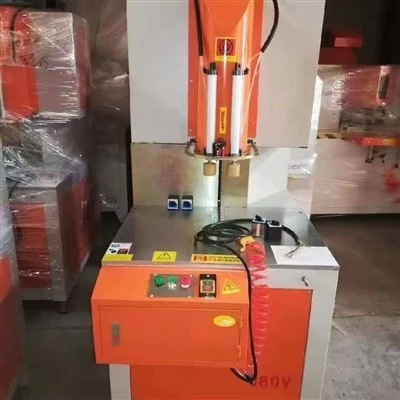
If you’re interested in learning more about our CNC milling machines or have any questions about achieving the right engraving depth for your projects, just drop me a line. We can have a chat about your specific needs and see how we can help you get the most out of your CNC milling experience.
Cutting Machine References:
- "CNC Machining Handbook"
- "Metalworking and Machining Processes"
- Industry – specific trade magazines related to CNC technology
Kanghong Building Materials Technology Sdn. Bhd.
As one of the most professional CNC milling machine manufacturers and suppliers in China, we have world-leading production equipment and strong manufacturing capabilities. Please feel free to wholesale advanced CNC milling machine for sale here from our factory. Customized orders are welcome.
Address: No.601, Block 2, Xinlianchang Industrial Park, No.2 Taixing Second Road, Taiping South Industrial Zone, Dali Town, Nanhai District, Foshan City
E-mail: 631871392@qq.com
WebSite: https://www.kanghong-building.com/
