Hey there, folks! As a supplier of horizontal autoclaves, I get asked a lot about how to make sure the sterilization process is uniform. It’s a crucial question, especially when you’re dealing with sensitive materials or in a medical or research setting. So, let’s dive right in and talk about the ins and outs of ensuring consistent sterilization in a horizontal autoclave. Horizontal Autoclave

First off, let’s understand why uniform sterilization matters. In medical facilities, improper sterilization can lead to the spread of harmful pathogens, putting patients at risk. In research labs, non – uniform sterilization can contaminate samples and mess up experimental results. So, it’s super important to get this right.
Loading the Autoclave Correctly
One of the first steps to achieving uniform sterilization is proper loading. You can’t just toss everything into the autoclave randomly. Think about the way steam needs to circulate. If you overcrowd the autoclave, steam won’t be able to reach all the items evenly.
For example, if you’re sterilizing surgical instruments, don’t stack them too tightly. Leave some space between the trays or containers. This allows steam to flow around each item and reach all the nooks and crannies. I’ve seen cases where people loaded the autoclave to the brim, and some instruments at the center didn’t get properly sterilized.
Another thing to keep in mind is the orientation of the items. Hollow objects, like pipettes or syringes, should be placed in a way that steam can enter them easily. If they’re placed upside down or at an angle that blocks steam entry, the inside might not get sterilized.
Maintaining the Right Temperature and Pressure
Temperature and pressure are the key players in the sterilization game. Horizontal autoclaves work by using high – pressure steam to kill microorganisms. You need to make sure the temperature and pressure inside the autoclave are consistent throughout the process.
Most autoclaves are set to reach a temperature of around 121°C (250°F) at 15 pounds per square inch (psi) for a specific period, usually around 15 – 20 minutes. However, these settings can vary depending on what you’re sterilizing. For instance, if you’re dealing with highly resistant spores, you might need a higher temperature or a longer cycle.
Regularly calibrating your autoclave is essential to maintain accurate temperature and pressure readings. Use a reliable thermometer and pressure gauge to check the settings. If the readings are off, it could mean inconsistent sterilization. I’ve had customers who were facing issues with non – uniform sterilization, and it turned out that their autoclave’s temperature and pressure settings were a bit off.
Steam Quality
The quality of the steam used in the autoclave is often overlooked, but it’s a big deal. You need clean, dry steam for effective and uniform sterilization. If the steam is wet or contains impurities, it can affect the sterilization process.
Wet steam can cause items to get soggy, and it might not be able to penetrate all the areas of the load. To ensure dry steam, make sure your autoclave’s steam generator is working properly. Check the water source. Using distilled water can help reduce the amount of impurities in the steam.
I’ve also seen some problems when the steam lines in the autoclave get clogged. This restricts the flow of steam and can lead to uneven sterilization. So, it’s a good idea to clean the steam lines regularly as part of your autoclave’s maintenance routine.
Air Removal
Before the sterilization process begins, all the air inside the autoclave needs to be removed. Air is a poor conductor of heat compared to steam, and if there’s air trapped inside, it can create "cold spots" where the temperature doesn’t reach the required level for sterilization.
Most modern horizontal autoclaves have an air – removal system. This system works by creating a vacuum to suck out the air before steam is introduced. Make sure this system is functioning correctly. You can do simple tests, like using an air – trap test ampule, to check if the air is being removed effectively.
I remember a client who was having issues with certain items not getting sterilized. After some investigation, we found that the air – removal system was partially blocked, and there was still some air inside the autoclave during the cycle. Once we fixed the blockage, the sterilization results improved significantly.
Monitoring and Documentation
It’s not enough to just run the autoclave and hope for the best. You need to monitor the sterilization process and keep accurate records. Use a temperature chart recorder or a data – logging device to track the temperature and pressure throughout the cycle.
This documentation serves several purposes. First, it allows you to verify that the autoclave is operating within the correct parameters. Second, it provides evidence of proper sterilization, which can be important for regulatory compliance in medical and research settings.
I’ve seen facilities get in trouble with regulators because they didn’t have proper documentation of their autoclave cycles. So, take the time to set up a monitoring and documentation system. It’s a small investment that can save you a lot of headaches in the long run.
Regular Maintenance
Like any piece of equipment, horizontal autoclaves need regular maintenance to ensure optimal performance. This includes cleaning the interior, checking the seals, and inspecting the heating elements.
Over time, debris and mineral deposits can build up inside the autoclave, which can affect steam circulation and temperature distribution. Clean the autoclave regularly using a mild detergent and a soft cloth. Inspect the door seals for any signs of wear or damage. A faulty seal can cause steam to leak out, reducing the pressure inside the autoclave and leading to inconsistent sterilization.
The heating elements are also crucial. If they’re not working properly, the autoclave won’t be able to reach the required temperature. Check them regularly and replace them if needed.
Training Your Staff
Last but not least, make sure your staff is properly trained on how to use the horizontal autoclave. They should know all the steps involved in loading, operating, and maintaining the autoclave.
I’ve seen situations where inexperienced staff members made mistakes that led to non – uniform sterilization. For example, they might not load the autoclave correctly or might not follow the right temperature and pressure settings. Provide comprehensive training to your staff, and make sure they understand the importance of proper sterilization.
In conclusion, ensuring uniform sterilization in a horizontal autoclave requires attention to detail at every step of the process. From proper loading and maintaining the right temperature and pressure to monitoring the cycle and regular maintenance, all these factors play a crucial role.
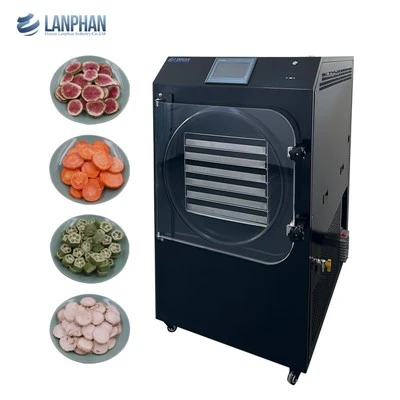
If you’re in the market for a high – quality horizontal autoclave or need more advice on ensuring uniform sterilization, don’t hesitate to reach out. We’re here to help you make sure your sterilization needs are met effectively and safely.
Freeze Dryer References
- ASM Handbook Volume 5: Surface Engineering. American Society for Metals.
- Sterilization Technology in Healthcare: Principles, Practices, and Regulations. CRC Press.
Henan Lanphan Technology Co., Ltd.
We’re well-known as one of the leading horizontal autoclave manufacturers and suppliers in China. With abundant experience, we warmly welcome you to buy high quality horizontal autoclave for sale here from our factory. For price consultation, contact us.
Address: Room 801, East Tower, Xiyuan Square, Zhongyuan District, Zhengzhou City, Henan Province
E-mail: lanphantech@lanphan.com
WebSite: https://www.lanphantech.com/
