In the dynamic landscape of modern electrical systems, high-power applications stand as the backbone of industrial operations, powering everything from heavy machinery to large-scale manufacturing plants. At the heart of these high-power systems lies a crucial component: the high-voltage distribution box. As a trusted high-voltage distribution box supplier, I am excited to delve into the inner workings of these essential devices, exploring their functions, components, and the critical role they play in ensuring the safe and efficient distribution of electrical power. High-Voltage Distribution Box

Understanding the Basics of High – Voltage Distribution
Before we dive into the details of how a high-voltage distribution box works, it’s important to understand the concept of high-voltage distribution itself. High-voltage systems are designed to transmit large amounts of electrical power over long distances with minimal loss. This is achieved by increasing the voltage of the electrical current, which reduces the amount of current flowing through the conductors and, consequently, the power loss due to resistance.
High-voltage distribution boxes are the gatekeepers of these high-voltage systems, responsible for receiving, controlling, and distributing electrical power to various loads within a facility or across a network. They serve as a central hub where incoming high-voltage power is regulated, monitored, and safely distributed to multiple circuits, ensuring that each load receives the appropriate amount of power.
Key Components of a High – Voltage Distribution Box
A high-voltage distribution box is a complex assembly of components, each playing a specific role in the safe and efficient distribution of electrical power. Here are some of the key components commonly found in a high-voltage distribution box:
Circuit Breakers
Circuit breakers are perhaps the most critical components of a high-voltage distribution box. They act as automatic switches that can interrupt the flow of electrical current in the event of an overload, short circuit, or other electrical fault. When a fault is detected, the circuit breaker trips, disconnecting the affected circuit from the power source and preventing damage to the equipment and potential safety hazards.
Fuses
Similar to circuit breakers, fuses are designed to protect the electrical system from overcurrents. However, unlike circuit breakers, which can be reset after tripping, fuses are one-time devices that must be replaced after they have blown. Fuses contain a thin wire or metal strip that melts when exposed to excessive current, breaking the circuit and preventing further damage.
Isolators
Isolators, also known as disconnectors, are used to isolate specific sections of the electrical system for maintenance or repair. They provide a visible break in the circuit, ensuring that there is no electrical connection between the de-energized section and the rest of the system. Isolators are typically operated manually and are designed to be used under no-load conditions.
Surge Arrestors
Surge arrestors are devices that protect the electrical system from voltage surges, which can be caused by lightning strikes, switching operations, or other transient events. They work by diverting the excess voltage to the ground, preventing it from damaging the equipment connected to the system.
Busbars
Busbars are conductive bars or strips that are used to distribute electrical power within the high-voltage distribution box. They act as a common connection point for multiple circuits, allowing the efficient transfer of electrical current from the incoming power source to the various loads.
Instrument Transformers
Instrument transformers are used to measure and monitor the electrical parameters, such as voltage, current, and power, in the high-voltage system. They step down the high voltage and current levels to a safe and measurable range, allowing for accurate measurement and control.
How a High – Voltage Distribution Box Works
Now that we have a better understanding of the key components of a high-voltage distribution box, let’s take a closer look at how they work together to ensure the safe and efficient distribution of electrical power.
Power Incoming
The process begins with the incoming high-voltage power, which is typically supplied by a utility company or a dedicated power generation source. The high-voltage power enters the distribution box through the main input terminals and is connected to the busbars.
Power Control and Protection
Once the power is on the busbars, the circuit breakers and fuses come into play. Circuit breakers are set to a specific rated current, and if the current flowing through the circuit exceeds this rating, the circuit breaker trips, interrupting the flow of electricity. Fuses, on the other hand, provide an additional layer of protection by melting and breaking the circuit in the event of an overload or short circuit.
The isolators are used to isolate different sections of the distribution box for maintenance or repair. They are operated manually and ensure that there is no electrical connection between the de-energized section and the rest of the system.
Surge arrestors protect the distribution box and the connected equipment from voltage surges. They detect the presence of an overvoltage condition and quickly divert the excess energy to the ground, preventing damage to the components.
Power Distribution
After passing through the control and protection devices, the electrical power is distributed to various loads through the individual circuits in the distribution box. Each circuit is connected to the busbars and is controlled by its own circuit breaker or fuse. The instrument transformers are used to measure and monitor the electrical parameters of each circuit, providing valuable information for system operation and management.
The high-voltage distribution box also includes various monitoring and control systems, such as relays and meters, which allow operators to monitor the status of the electrical system in real-time and make adjustments as needed.
Safety Considerations in High – Voltage Distribution
Safety is of utmost importance when it comes to high-voltage distribution. High voltages can be extremely dangerous and pose a significant risk of electrical shock, fire, and equipment damage. As a high-voltage distribution box supplier, we take safety very seriously and ensure that our products meet the highest safety standards.
Insulation and Enclosure
High-voltage distribution boxes are designed with high-quality insulation materials to prevent electrical leakage and short circuits. The enclosures are also made of robust materials that provide protection against environmental factors, such as dust, moisture, and physical damage.
Grounding
Proper grounding is essential for the safe operation of a high-voltage distribution box. Grounding provides a path for the electrical current to flow safely to the ground in the event of a fault, reducing the risk of electrical shock and equipment damage.
Safety Interlocks
Many high-voltage distribution boxes are equipped with safety interlocks, which prevent the access to live parts of the system when the box is in operation. These interlocks ensure that only authorized personnel can access the high-voltage components and reduce the risk of accidental contact.
Regular Maintenance and Inspection
Regular maintenance and inspection of high-voltage distribution boxes are crucial to ensure their safe and reliable operation. This includes checking the insulation resistance, tightening the connections, and replacing any worn or damaged components.
The Role of High – Voltage Distribution Boxes in Different Industries
High-voltage distribution boxes play a vital role in a wide range of industries, including:
Industrial Manufacturing
In industrial manufacturing plants, high-voltage distribution boxes are used to power large machinery and equipment, such as motors, pumps, and furnaces. They ensure that the electrical power is distributed safely and efficiently to various production processes, minimizing downtime and maximizing productivity.
Energy Generation
In power generation facilities, high-voltage distribution boxes are used to collect and distribute the electrical power generated by turbines, generators, and other power sources. They play a critical role in transmitting the electricity from the power plant to the grid, ensuring a stable and reliable supply of energy.
Transportation
In the transportation sector, high-voltage distribution boxes are used in electric vehicles, trains, and aircraft to manage the distribution of electrical power. They help to optimize the energy consumption and ensure the safe and efficient operation of the vehicles.
Infrastructure
Infrastructure projects, such as hospitals, data centers, and shopping malls, rely on high-voltage distribution boxes to provide a continuous and reliable supply of electrical power. They are designed to meet the specific requirements of these projects, ensuring the safety and comfort of the occupants.
Choosing the Right High – Voltage Distribution Box Supplier
When it comes to choosing a high-voltage distribution box supplier, there are several factors to consider. Here are some key points to keep in mind:
Quality and Reliability
The quality and reliability of the high-voltage distribution boxes are of utmost importance. Look for a supplier that uses high-quality materials and components and follows strict manufacturing processes to ensure the durability and performance of the products.
Safety Standards
Ensure that the supplier’s products meet the relevant safety standards and certifications, such as IEC, UL, and CE. This ensures that the high-voltage distribution boxes are safe to use and comply with the international regulations.
Customization Options
Every application has its own unique requirements, so it’s important to choose a supplier that offers customization options. A supplier that can design and manufacture high-voltage distribution boxes according to your specific needs can provide a more tailored solution for your project.
Technical Support
Good technical support is essential when dealing with high-voltage electrical systems. Choose a supplier that has a team of experienced engineers and technicians who can provide you with technical advice, installation support, and maintenance services.
Reputation and Experience
Finally, consider the supplier’s reputation and experience in the industry. A supplier with a good track record and positive customer feedback is more likely to provide high-quality products and services.
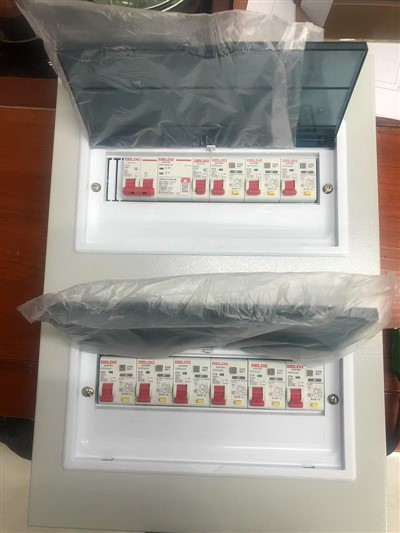
As a high-voltage distribution box supplier, we are committed to providing our customers with the highest quality products and services. We understand the critical role that high-voltage distribution boxes play in the safe and efficient operation of electrical systems, and we strive to meet the diverse needs of our customers across various industries.
Secondary Distribution Box If you are in need of a high-voltage distribution box for your project, we would be delighted to discuss your requirements and provide you with a customized solution. Contact us today to start the conversation and explore how our high-voltage distribution boxes can meet your specific needs.
References
- "High Voltage Electrical Engineering" by M. S. Naidu and V. K. Kamath
- "Electrical Power Systems Quality" by Roger C. Dugan, Mark F. McGranaghan, Surya Santoso, and H. Wayne Beaty
Anhui Nanxian Electric Co., Ltd.
With abundant experience, we are one of the most professional high-voltage distribution box manufacturers and suppliers in China. We warmly welcome you to buy advanced high-voltage distribution box for sale here and get quotation from our factory. All customized products are with high quality and low price.
Address: Factory Unit 03-2, Building 21, Feidong Yinfeng Industrial Park Co., Ltd., Northeast Corner of Manquan Road and Changle Road, Hefei Circular Economy Demonstration Park, Feidong County, Hefei City, Anhui Province.
E-mail: 541580567@qq.com
WebSite: https://www.nxelepower.com/
